Bubbling & Peeling Drywall Repair in Waldorf, MD
Bubbles, blisters, and peeling patches on a wall or ceiling usually mean something has come loose just beneath the surface—loose drywall face paper, a layer of compound or paint that lost its bond, or moisture trapped behind the finish. The fix depends on which of those is involved, and covering the bubbles with more compound rarely holds. Willett Drywall identifies the cause and repairs bubbling or peeling drywall for Waldorf homeowners so the surface is sound and smooth again.
What Bubbling or Peeling Drywall Is
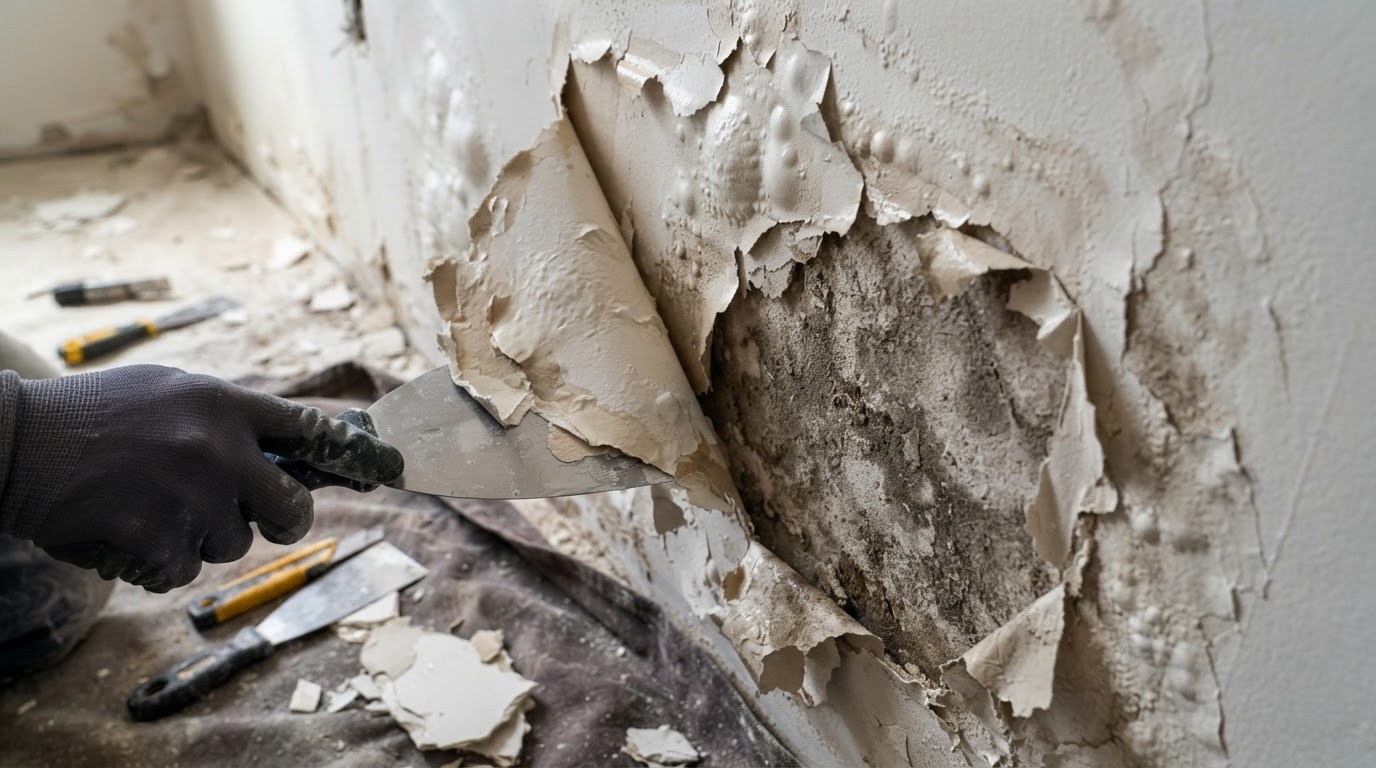
Bubbling drywall shows up as raised blisters in the surface, where a layer—usually the face paper, a coat of compound, or a layer of paint—has separated from what's beneath it. Peeling is the same problem at a later stage, where that separated layer has begun to lift away. Both mean the bond between layers has failed, and the cause is usually trapped moisture, a contaminated surface, or a previous repair applied over loose material.
It's important to tell bubbling drywall apart from peeling paint. Peeling paint lifts in thin, flexible sheets and the gypsum board beneath is usually firm; bubbling drywall involves the board's face paper or the compound layer and often points to moisture or a failed patch. The repair is different for each, which is why identifying the cause comes first.
When This Service Is Needed
Common situations where bubbling & peeling repair is the right call for Waldorf-area property owners.
- Blisters or bubbles have appeared in a wall or ceiling
- Drywall face paper is loose or peeling
- A previous patch is lifting at the edges
- Surface compound has separated from the board
- Bubbling appeared after a moisture event
- Paint is bubbling and the board beneath feels soft
Common Causes of Bubbling and Peeling Drywall
Bubbling and peeling come from a few specific conditions. The cause decides whether a localized repair is enough or whether the board needs attention.
Loose Face Paper
The paper surface of the gypsum board has delaminated, creating blisters where the paper lifts away from the gypsum core.
Trapped Moisture
Humidity or a slow leak behind the wall lifts the paper or the compound as moisture collects between layers.
Failed Previous Repair
Compound or paint applied over dust, grease, or loose material blisters as it dries or over time as the bond fails.
Compound Delamination
A coat of joint compound separates from the board or the coat beneath it, producing blisters in the finish.
Paint Bubbling vs. Drywall Bubbling
Paint alone can blister from moisture or poor adhesion while the board stays firm; drywall bubbling involves the paper or compound layer.
Moisture-Affected Seams
Bubbling that appears along seams can mean the tape has loosened as moisture worked into the joint.
Where moisture is the cause, the source should be corrected before the drywall is permanently repaired. Willett Drywall repairs the drywall surface; we do not perform plumbing, roofing, or water-mitigation work.
How Bubbling and Peeling Drywall Repair Is Completed Near Waldorf, MD
The repair removes the loose layer, addresses the cause, and rebuilds the surface. The steps below describe a typical localized repair.
Identify the Cause
We determine whether the bubbling is loose face paper, a failed compound layer, peeling paint, or moisture trapped behind the surface.
Why it matters: A moisture-caused blister will return if the source isn't corrected; a dry failure just needs the loose layer removed.
Remove Loose Material
Loose paper, blistered compound, or peeling paint is cut back to firm, bonded material so the new surface has something sound to adhere to.
Why it matters: New compound over loose material re-blisters; a clean, firm surface accepts the repair.
Rebuild the Surface
Where the face paper is damaged, the area is sealed and skimmed; where compound failed, the area is re-coated and feathered into the surrounding wall.
Why it matters: Rebuilding the surface layer restores a smooth, bonded finish instead of a patch over a void.
Sand and Match Texture
The repair is sanded flush and texture is matched to the surrounding surface so the area blends back into the wall or ceiling.
Why it matters: An untextured or raised patch shows under light; matching the surrounding texture hides the repair.
Why Identifying the Cause Matters Before Repairing
The mistake with bubbling drywall is to treat the blister as the problem. The blister is the symptom; the cause is the failed bond or the moisture beneath it. Skimming over a blister seals in the loose layer and the moisture, and the bubble reappears—often larger—once the new compound or paint dries. Removing the loose material, identifying whether moisture is involved, and rebuilding from a sound surface is what makes the repair hold.
Where moisture is the cause, the source has to be corrected first, or the repair is temporary. Once the surface is sound, the finish has to be rebuilt flat and feathered into the surrounding wall so the repaired area doesn't read as a patch under side light. Willett Drywall handles bubbling and peeling drywall repair from our Waldorf base for property owners across Charles County and the surrounding Southern Maryland communities.
The repair begins with what caused the blister so the fix addresses the source, not just the symptom.
Blistered paper and compound are cut back to firm material so the new surface bonds to something sound.
The rebuilt surface is feathered and textured to match so the repair disappears into the surrounding wall.
Related Drywall Services
Bubbling and peeling repair connects to the broader repair and water-damage family. These related pages cover adjacent work.
Bubbling & Peeling Drywall Repair FAQs for Waldorf Property Owners
Need Bubbling or Peeling Drywall Repair in Waldorf, MD?
Blisters and peeling patches mean a layer has lost its bond beneath the surface. Call Willett Drywall at 240-448-6692 or request an estimate to discuss the repair.