
Orange Peel Texture Matching in Waldorf, MD
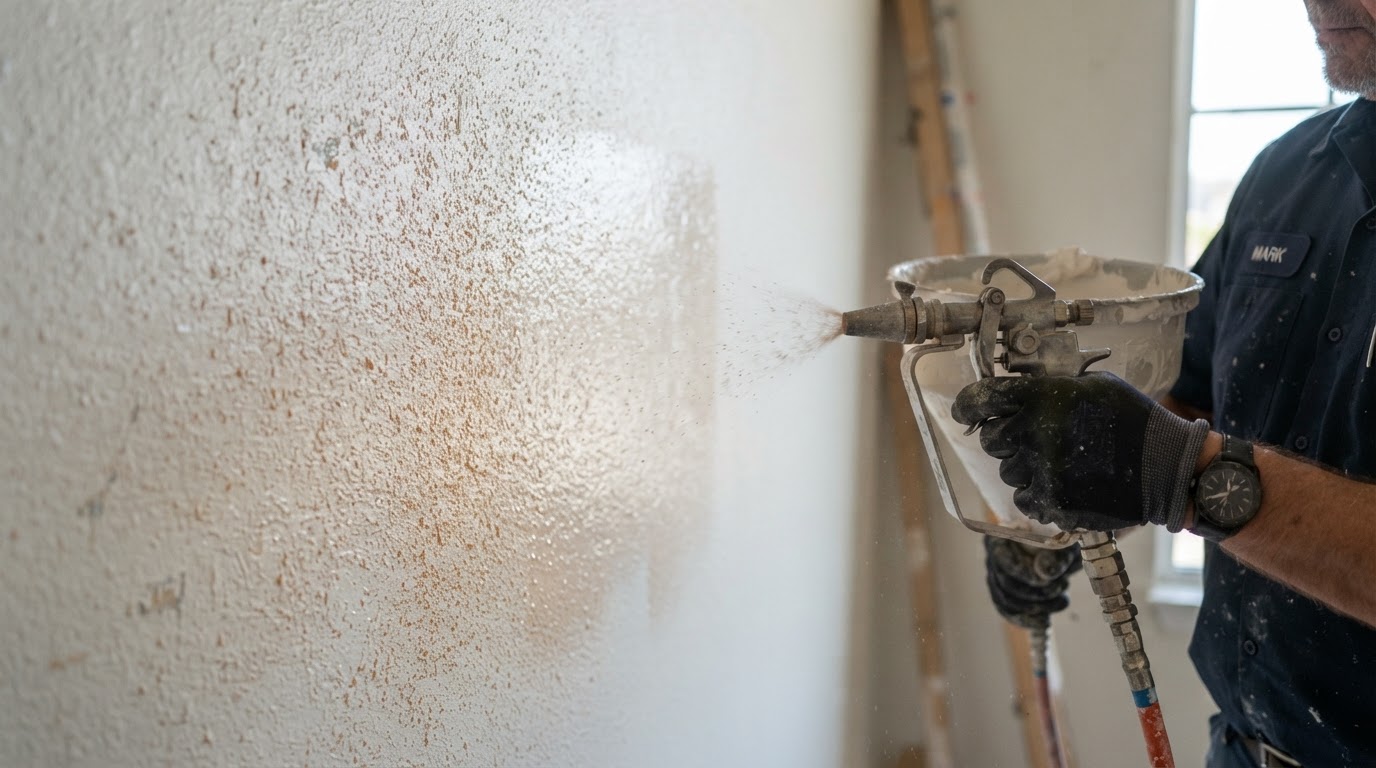
Orange peel is one of the most common wall and ceiling textures in Waldorf homes—a fine, evenly splattered pattern that looks, as the name suggests, like the surface of an orange. When a patch or repair sits in the middle of an orange-peel wall, the new smooth spot shows unless the texture is matched around it. Willett Drywall matches orange peel texture on repairs throughout Waldorf and Charles County, adjusting the spray, density, and finish so the repaired area blends into the surrounding surface.
What Orange Peel Texture Matching Involves
Orange peel texture matching is the process of recreating an existing orange peel pattern around a repaired area so the patch blends into the surrounding wall or ceiling. Orange peel is a sprayed texture made up of fine droplets of thinned joint compound. Matching it means adjusting the spray nozzle, air pressure, compound consistency, and application density until the new texture reads the same as the existing one, then letting it dry and prepping it for paint.
Texture matching seeks to blend the repair with the existing surface, but age, paint layers, the original application method, and lighting can all affect how closely a match reads. A brand-new patch in a twenty-year-old wall will always be closest after it's painted, because paint unifies the surface. The goal is a repair that disappears as much as possible under normal viewing.
When This Service Is Needed
Common situations where orange peel matching is the right call for Waldorf-area property owners.
- A patch sits in the middle of an orange-peel wall
- A repair needs to blend with existing orange peel
- An addition's walls need to match the rest of the home
- A ceiling repair needs orange peel matched
- A previous texture match is visible and needs redoing
- New drywall needs to tie into an orange-peel surface
What Affects an Orange Peel Match
Several variables determine how closely a new orange peel blend reads against an existing wall. These are the factors that go into a careful match.
Droplet Size
The size of the sprayed droplets—fine, medium, or coarse—is set by the nozzle and pressure to match the existing pattern.
Texture Density
How closely packed the droplets are changes the look; matching density keeps the patch from reading lighter or heavier than the field.
Compound Consistency
How much the compound is thinned controls how it splatters; the mix is tuned to the existing texture's appearance.
Application Method
Whether the original was sprayed, rolled, or stippled affects the match; the method is read from the existing surface.
Existing Paint Layers
Years of paint soften and fill older texture, so a new patch often reads sharper until it's painted to match.
Repair Size and Lighting
Larger repairs and raking side light make a mismatch more visible; blending the edges helps hide the boundary.
Texture matching seeks to blend the repair with the existing surface. Age, paint layers, original application, and lighting can affect the final appearance, and a match reads closest once the repair is painted.
How Orange Peel Texture Matching Is Completed Near Waldorf, MD
The process runs from a finished, sanded patch through a matched texture application. The steps below describe a typical repair.
Read the Existing Texture
We examine the surrounding orange peel for droplet size, density, and application method so the match is tuned to the actual wall.
Why it matters: A match has to reproduce the existing pattern, not a generic orange peel.
Prep the Patch
The repaired area is sanded flush and primed so the texture bonds evenly and doesn't soak in differently than the surrounding wall.
Why it matters: Primer gives the new texture a consistent surface to bond to.
Spray and Blend
Thinned compound is sprayed at the tuned nozzle and pressure, with the edges feathered out into the surrounding texture.
Why it matters: Feathering the edges hides the boundary between the new texture and the existing field.
Dry and Prep for Paint
The texture is allowed to dry, lightly sanded if needed, and prepped so paint unifies the patch with the surrounding wall.
Why it matters: Paint is what finally blends the repair; a matched texture reads closest once painted.
Why a Careful Texture Match Matters
A smooth patch in an orange-peel wall is one of the most visible drywall flaws there is. The eye reads the change in surface, and under side light the patch shows as a flat spot in a textured field. Matching the orange peel—tuning the droplet size, density, and edges to the existing wall—is what turns a visible repair into one that disappears. The match doesn't have to be perfect on the bare patch; it has to read as continuous once the wall is painted.
The variables that affect a match are real. A new patch in an older wall will always read a little sharper until paint softens it to match the surrounding surface, and raking light will always reveal more than flat light. Willett Drywall matches orange peel texture from our Waldorf base for property owners throughout Charles County and the surrounding Southern Maryland communities.
Droplet size, density, and method are read from the existing texture rather than applied generically.
The new texture is feathered into the surrounding field so the patch boundary doesn't show.
The matched texture is prepped so paint unifies the repair with the surrounding wall.
Related Drywall Services
Orange peel matching is part of the texture family. These related pages cover adjacent finishing work.
Orange Peel Texture Matching FAQs for Waldorf Property Owners
Need Orange Peel Texture Matched in Waldorf, MD?
A smooth patch in an orange-peel wall shows until the texture is matched. Call Willett Drywall at 240-448-6692 or request an estimate to discuss the repair.